Landscaping with native plants is not just a trend; it's a sustainable choice that benefits both your garden and the local ecosystem. By selecting the best native plants for Kershaw landscaping, you can create a vibrant and low-maintenance garden that thrives in our unique climate. This article will explore the most suitable native plants for your Kershaw home, tips for their incorporation, and common pitfalls to avoid.
Why Choose Native Plants?
Native plants are species that naturally occur in a specific region. In Kershaw, South Carolina, these plants have adapted to the local climate, soil conditions, and wildlife. Here are a few reasons why you should consider native plants for your landscaping:
- Low Maintenance: Native plants require less watering and fertilization.
- Wildlife Friendly: They provide habitats and food for local wildlife, including birds and pollinators.
- Soil Health: Native plants improve soil quality and prevent erosion.
- Cost-Effective: Over time, they reduce landscaping costs due to their resilience.
Top Native Plants for Kershaw Landscaping
When selecting plants, consider options that not only thrive in Kershaw but also enhance the aesthetic of your home. Here are some of the best plants for Kershaw landscapes:
1. Eastern Redbud (Cercis canadensis)
This small tree is known for its stunning pink flowers in early spring. It grows well in various soil types and provides shade for smaller plants underneath.
2. Black-Eyed Susan (Rudbeckia hirta)
A perennial favorite, this flower offers bright yellow blooms that attract butterflies. It thrives in sunny areas and is drought-resistant.
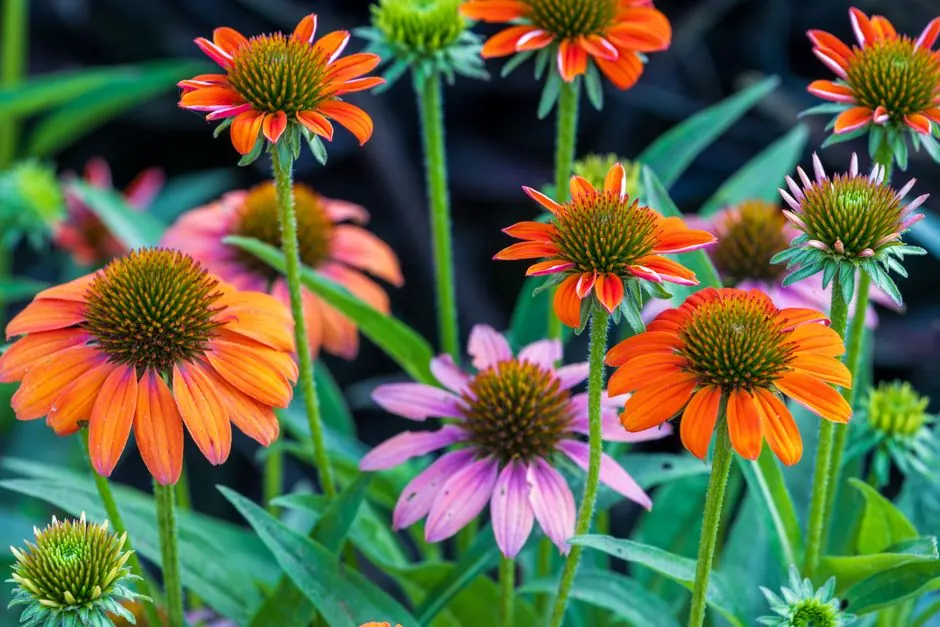
3. Coneflower (Echinacea purpurea)
With its striking purple petals, the coneflower is not only beautiful but also medicinal. It's perfect for attracting pollinators and grows well in poor soil.
4. Coral Honeysuckle (Lonicera sempervirens)
This vine produces fragrant tubular flowers that attract hummingbirds. It can be used to cover trellises or fences, adding vertical interest to your garden.
5. Switchgrass (Panicum virgatum)
This ornamental grass is ideal for providing texture and movement in your landscape. It is drought-tolerant and supports local wildlife.
Tips for Using Native Plants in Kershaw
Incorporating native plants into your garden can be straightforward if you follow these tips:
- Group Plants: Plant in clusters for a more natural look and to attract wildlife.
- Consider Bloom Times: Choose a variety of plants that bloom at different times to ensure year-round color.
- Soil Preparation: Test your soil and amend it as necessary to create the ideal environment for your plants.
- Mulching: Use organic mulch to retain moisture and suppress weeds.
Common Mistakes to Avoid
Even seasoned gardeners can make mistakes when using native plants. Here are some common pitfalls to watch out for:
- Overwatering: Native plants are adapted to local rainfall; excessive watering can harm them.
- Ignoring Local Wildlife: Select plants that support local pollinators and wildlife.
- Planting at the Wrong Time: Timing is crucial; spring and fall are ideal for planting in Kershaw.
When to Call a Professional
If you find the process of selecting and planting native plants overwhelming, it may be time to consult a professional. The Kershaw Lawn Care and Yard Cleanup Company can assist you with native plant installation and landscape design tailored to your specific needs.
Frequently Asked Questions
What are the best native plants for Kershaw gardens?
Some of the best native plants include Eastern Redbud, Black-Eyed Susan, and Coneflower. These plants thrive in local conditions and attract beneficial wildlife.
How do I incorporate native plants into my Kershaw landscape?
Start by grouping plants together and selecting varieties that bloom at different times. Proper soil preparation and mulching will also help them thrive.
When is the best time to plant native species in Kershaw?
The ideal times for planting native species are in the spring and fall when temperatures are milder and rainfall is more consistent.
Can native plants help with erosion control?
Yes, native plants have deep root systems that help stabilize soil and prevent erosion, making them an excellent choice for sloped areas.
Do native plants require a lot of maintenance?
No, once established, native plants typically require less maintenance than non-native species. They are adapted to local conditions and usually need less water and fertilizer.